
For marine biologists, ocean enthusiasts, and conservationists, the slow, rhythmic grace of a sea turtle is the epitome of underwater serenity. Whether you are studying the intricate patterns of a carapace or simply looking to unwind after a long day of field research, coloring offers a unique way to connect with these ancient mariners. We have curated the top 10 slow sea turtle coloring pages that blend anatomical appreciation with artistic relaxation. Dive into these high-quality designs, perfect for educational outreach or personal mindfulness.
| # | Name | Best For | Rating |
|---|---|---|---|
| 1 | Majestic Ocean Swimmer | Overall Realism | 5.0/5 |
| 2 | Hatching Cycle Begins | Life Cycle Study | 4.9/5 |
| 3 | Detailed Facial Portrait | Anatomy Focus | 4.8/5 |
| 4 | Grazing on Seaweed | Diet & Habitat | 4.8/5 |
| 5 | Geometric Shell Pattern | Pattern Recognition | 4.7/5 |
| 6 | Deep Dive Exploration | Movement Study | 4.7/5 |
| 7 | Resting on the Beach | Land Behavior | 4.6/5 |
| 8 | Underwater Slumber | Relaxation | 4.6/5 |
| 9 | Nesting & Digging | Action Scenes | 4.5/5 |
| 10 | Friendly Waving Turtle | Kids Outreach | 4.5/5 |
1. Majestic Ocean Swimmer
5.0/5

This illustration captures the quintessential pelagic state of the sea turtle. Gliding effortlessly through the water column, this page offers an excellent opportunity to practice shading techniques for water depth and carapace texture. It is our top pick for its balance of realism and artistic freedom.
👍 Pros
- ✓ Highly realistic body proportions.
- ✓ Excellent background water elements.
👎 Cons
- ✕ Water background requires lots of blue ink.
2. Hatching Cycle Begins
4.9/5

The frenzy of the hatch is a critical moment in marine biology. This page beautifully depicts the “boil” of hatchlings emerging from the sand. It is perfect for discussing conservation efforts and survival rates while engaging in a creative activity.
👍 Pros
- ✓ Educational value regarding life cycles.
- ✓ Adorable subject matter.
👎 Cons
- ✕ Multiple small subjects can be tricky to color.
3. Detailed Facial Portrait
4.8/5

Sometimes, you need to look a subject in the eye. This close-up allows for a detailed study of facial scutes (scales), which are often used by researchers to identify individual turtles. It provides a more intimate connection with the subject matter.
👍 Pros
- ✓ Focuses on unique identification features.
- ✓ Great for experimenting with eye detail.
👎 Cons
- ✕ Less background context.
4. Grazing on Seaweed
4.8/5

Green sea turtles are famously herbivorous as adults. This scene captures the vital ecological role they play in maintaining seagrass beds. The interaction between the turtle and the flora makes for a dynamic and lush coloring experience.
👍 Pros
- ✓ Illustrates feeding behavior.
- ✓ Allows for varied green palettes.
👎 Cons
- ✕ Requires patience for plant details.
5. Geometric Shell Pattern
4.7/5
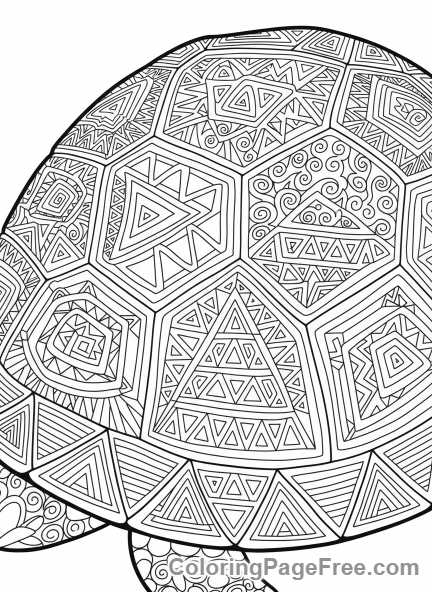
The geometric beauty of a sea turtle’s shell is nature’s mosaic. This page focuses heavily on the scutes of the carapace, offering a mandala-like experience. It is perfect for those who want to get lost in pattern recognition and symmetry.
👍 Pros
- ✓ Meditative and repetitive.
- ✓ Highlighting natural symmetry.
👎 Cons
- ✕ Can feel monotonous if you prefer action.
6. Deep Dive Exploration
4.7/5

Turtles are master divers, capable of reaching incredible depths. This page showcases a vertical descent, offering a different perspective than the usual horizontal swimming poses. The bubbles add a nice touch of motion to the stillness of the deep.
👍 Pros
- ✓ Dynamic vertical orientation.
- ✓ Good mix of open water and detail.
👎 Cons
- ✕ Large open water areas.
7. Resting on the Beach
4.6/5

While sea turtles spend most of their lives in water, the connection to land is vital for reproduction (and basking, for some species like the Green Turtle in Hawaii). This page emphasizes the weight and texture of the turtle when out of its buoyant element.
👍 Pros
- ✓ Contrast between sand and shell textures.
- ✓ Distinctive land-based pose.
👎 Cons
- ✕ Sand can be tricky to make interesting.
8. Underwater Slumber
4.6/5

Turtles can hold their breath for hours while sleeping. This peaceful scene captures a turtle wedged comfortably into a reef or rock structure for a nap. It is the ultimate “slow” turtle page, perfect for calming the mind.
👍 Pros
- ✓ Extremely relaxing composition.
- ✓ Opportunities for rock/coral textures.
👎 Cons
- ✕ Static pose offers less “action”.
9. Nesting & Digging
4.5/5

The physical exertion of digging an egg chamber is immense. This page captures the flipper action required to create a safe haven for the next generation. It is a powerful image of maternal instinct in the reptile world.
👍 Pros
- ✓ Action-oriented pose.
- ✓ Tells a specific biological story.
👎 Cons
- ✕ Flying sand can be abstract to color.
10. Friendly Waving Turtle
4.5/5

Even serious marine biologists need a bit of fun. This anthropomorphic design is less about scientific accuracy and more about engagement. It serves as an excellent cover page for educational packets or a fun activity for younger students.
👍 Pros
- ✓ Fun and welcoming.
- ✓ Easy for all skill levels.
👎 Cons
- ✕ Not anatomically correct.
Frequently Asked Questions
Why are sea turtle coloring pages popular among marine biologists?
What is the best medium to use for these detailed pages?
How can I use these pages for conservation education?
Conclusion
Whether you are diving deep into the science of Cheloniidae or just skimming the surface for a relaxing afternoon activity, these slow sea turtle coloring pages offer a perfect blend of art and nature. By focusing on the details of these ancient creatures, we gain a deeper appreciation for their complexity and the need to protect their ocean home. Happy coloring!